BLUE GREEN ENERGY INSIGHT
Why Hydrogen Infrastructure Is the Key to Unlocking America’s Zero-Emission Future
By Blue Green Energy • Hydrogen Infrastructure & Heavy-Duty Transport
As the U.S. accelerates toward a zero-emission transportation sector, one truth is becoming increasingly clear: no single technology can decarbonize heavy-duty transport, long-haul logistics, and commercial fleets at scale. Battery electric vehicles have made strong progress in passenger mobility, but when it comes to freight, uptime, payload, refueling speed, and long-distance travel, the economics shift dramatically.
That’s where green hydrogen steps in—offering the only scalable, high-density, zero-carbon solution that aligns with the operating realities of America’s trucking and logistics industries.
The Nation Is Ready for Hydrogen. The Infrastructure Is Not.
Major automakers and commercial operators have already begun integrating hydrogen fuel cell and hydrogen internal combustion trucks into their fleets. Companies across California, Texas, Utah, and Arizona are piloting hydrogen operations today. The technology is here, the vehicles are here, and the demand is accelerating.
The critical bottleneck isn’t the truck technology.
It’s the absence of a robust, reliable hydrogen fueling network built for heavy-duty transport.
To unlock widespread adoption, the U.S. needs a corridor of green hydrogen production and fueling stations—strategically positioned along major freight lanes.
Blue Green Energy Is Building That Future
Blue Green Energy is pioneering a Southwest Hydrogen Corridor, connecting major logistics hubs including:
- Long Beach / Los Angeles, CA
- Las Vegas, NV
- Phoenix, AZ
- Salt Lake City, UT
- Denver, CO
- Albuquerque, NM
- Dallas, TX
- Houston, TX
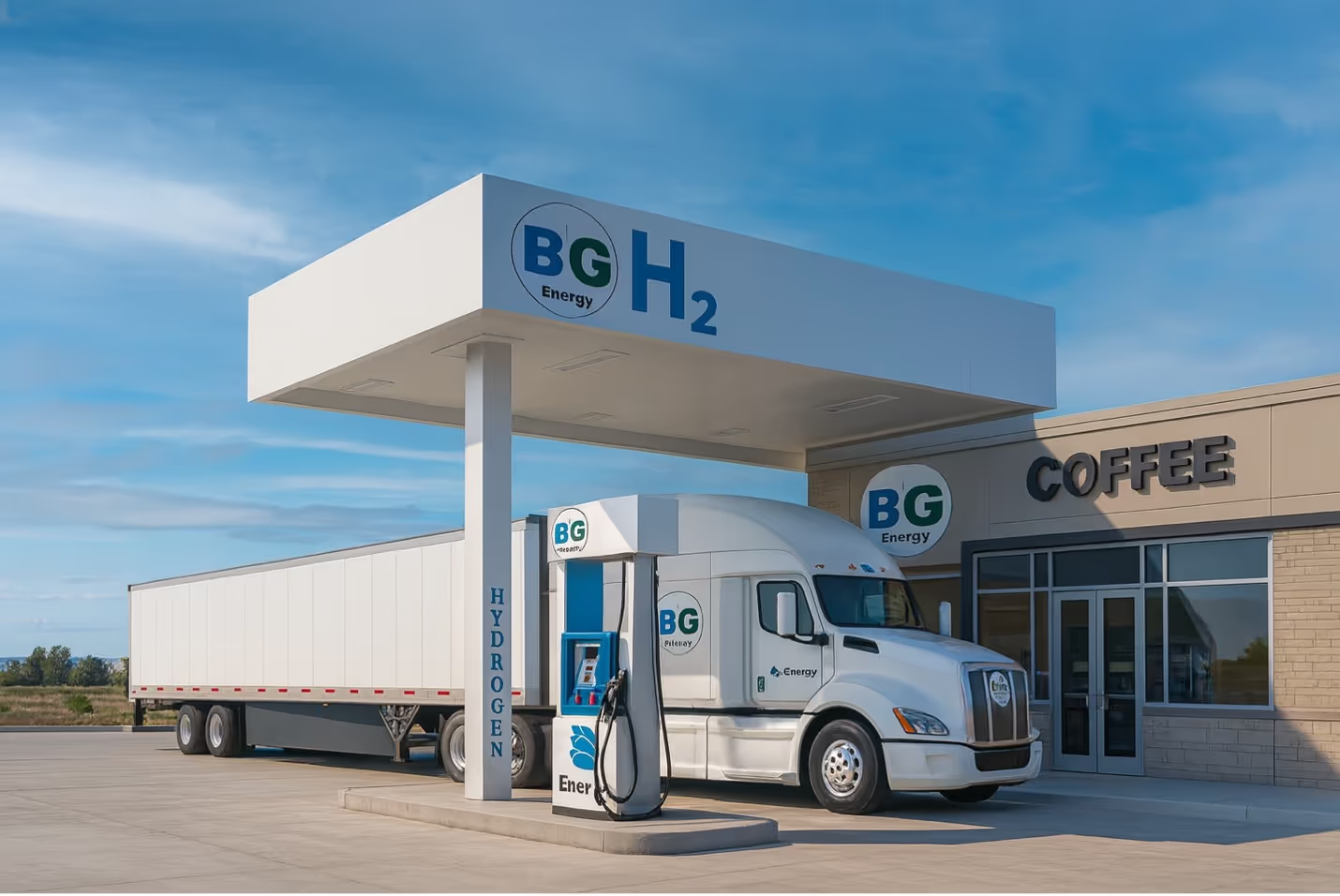
Our sites are engineered to produce green hydrogen onsite using solar-powered electrolyzers, enabling zero-emission fuel production at commercial scale. Each station is designed as a full-service travel center, offering:
- Hydrogen fueling for Class 8 trucks
- Hydrogen fueling for light-duty vehicles
- High-power EV charging
- Restaurant, coffee, and convenience retail amenities
These locations become critical energy and transportation nodes—the backbone of a new clean-energy network powering both freight and consumer mobility.
Why Green Hydrogen Is the Advantage for Trucking
Hydrogen’s benefits in heavy-duty trucking are undeniable:
- Fast refueling: 10–15 minutes vs. hours for battery charging
- Long range: 500–900+ miles depending on configuration
- Higher payload capacity: Less weight penalty than large battery packs
- Operational efficiency: Enables continuous duty cycles and 24/7 fleet utilization
- Near-zero lifecycle emissions: When produced via renewable energy, lifecycle CO₂ is dramatically reduced
As global mandates and corporate sustainability targets intensify, hydrogen is emerging as the inevitable solution for industries that cannot electrify with batteries alone.
Momentum Is Building — Investors Are Taking Notice
More than 145 countries have committed to net-zero targets. Billions are flowing into hydrogen production, fuel cell development, and fleet deployments.
Just as early investors in Tesla and other clean-tech pioneers recognized the importance of in
frastructure before mainstream adoption, today’s investors see hydrogen infrastructure as the next major frontier.
Blue Green Energy gives everyday investors the opportunity to participate early in the buildout of America’s hydrogen highway—before the market accelerates into full demand.
The Road Ahead
We are committed to developing a scalable, renewable, and resilient fueling network that supports:
- Long-haul trucking
- Logistics and distribution
- Municipal and commercial fleets
- Public and private transportation
- Future hydrogen passenger mobility
Our mission is simple: Build the clean-energy infrastructure that accelerates America’s transition to zero-emission transportation.
Hydrogen isn’t just part of the future—it is the backbone of it. And the future is being built now.
BLUE GREEN ENERGY INSIGHT
Hydrogen vs. Battery Electric: Why Heavy-Duty Transport Needs a Different Solution
By Blue Green Energy • Hydrogen Technologies & Infrastructure
As the global push toward net-zero accelerates, one of the most debated questions in clean transportation is: Which technology is best suited for heavy-duty trucking—battery electric or hydrogen?
While both technologies play important roles in the transition away from fossil fuels, the realities of long-haul freight, uptime requirements, cargo weight, and refueling cycles make hydrogen a dramatically more viable solution for Class 8 trucks.
The Demands of Heavy-Duty Transport
Long-haul and commercial trucking require:
- 500–900+ miles of range
- Fast refueling in under 15 minutes
- High payload capacity
- 24/7 operational uptime
- Minimal charging or fueling downtime
Battery-electric vehicles work well in passenger mobility and short-range applications—but scaling BEVs to heavy-duty trucking introduces significant engineering and operational challenges.
Where Battery Electric Falls Short
For long-haul trucking, BEVs face several hurdles:
- Massive battery packs are required for long ranges, reducing payload capacity.
- Charging times remain lengthy, even with megawatt charging technology.
- High grid demand puts strain on already overloaded electrical systems.
- Extreme temperatures reduce BEV efficiency and range.
Heavy-duty trucking cannot afford hours of downtime or loss of cargo weight—limitations that battery-electric systems struggle to overcome.
Why Hydrogen Outperforms BEVs in Heavy Transport
Hydrogen fuel cell and hydrogen internal combustion trucks deliver advantages uniquely suited for freight:
- 10–15 minute refueling time similar to diesel
- Higher payload capacity due to lighter onboard storage
- Long range capabilities exceeding most BEVs
- Resilience in extreme weather with minimal loss of performance
- Scalable infrastructure for highway corridors and logistics hubs
These benefits make hydrogen the only zero-emission solution capable of supporting long-distance trucking and the national supply chain.
The Infrastructure Difference
Battery-electric trucking requires widespread megawatt charging deployment, extensive grid upgrades, and long dwell times. By comparison, hydrogen fueling infrastructure is far simpler to scale, especially when hydrogen is produced onsite.
Blue Green Energy’s hydrogen truck stops are designed to produce and dispense hydrogen directly at the station, removing barriers related to long-distance hydrogen transport and improving station reliability.
The Bottom Line
Battery-electric vehicles are an essential part of the clean-energy transition—but for the freight industry, hydrogen is the technology that aligns with the operational demands of heavy-duty transport.
As fleets, regulators, and manufacturers continue to adopt hydrogen solutions, the need for a robust fueling network becomes undeniable. Blue Green Energy is building that network.
Hydrogen isn’t competing with batteries—it's completing the transition to a truly zero-emission transportation system.
BLUE GREEN ENERGY INSIGHT
Inside a Hydrogen Truck Stop: How Blue Green Energy Designs the Future of Zero-Emission Travel Centers
By Blue Green Energy • Hydrogen Technologies & Infrastructure
When most people picture a fueling station, they imagine diesel pumps, exhaust fumes, and long stretches of concrete. Blue Green Energy is redefining that image. Our hydrogen truck stops are designed from the ground up as zero-emission travel centers that serve professional drivers, fleets, and everyday travelers—all in one integrated hub.
Step inside a Blue Green Energy site, and you’ll see more than a pump. You’ll see the infrastructure that makes green hydrogen work at scale for heavy-duty transport.
A Next-Generation Energy Hub
Each Blue Green Energy location is built as a complete energy ecosystem, combining:
- Onsite green hydrogen production powered by renewable energy
- Hydrogen fueling for Class 8 trucks and light-duty vehicles
- High-power EV charging for battery-electric cars and trucks
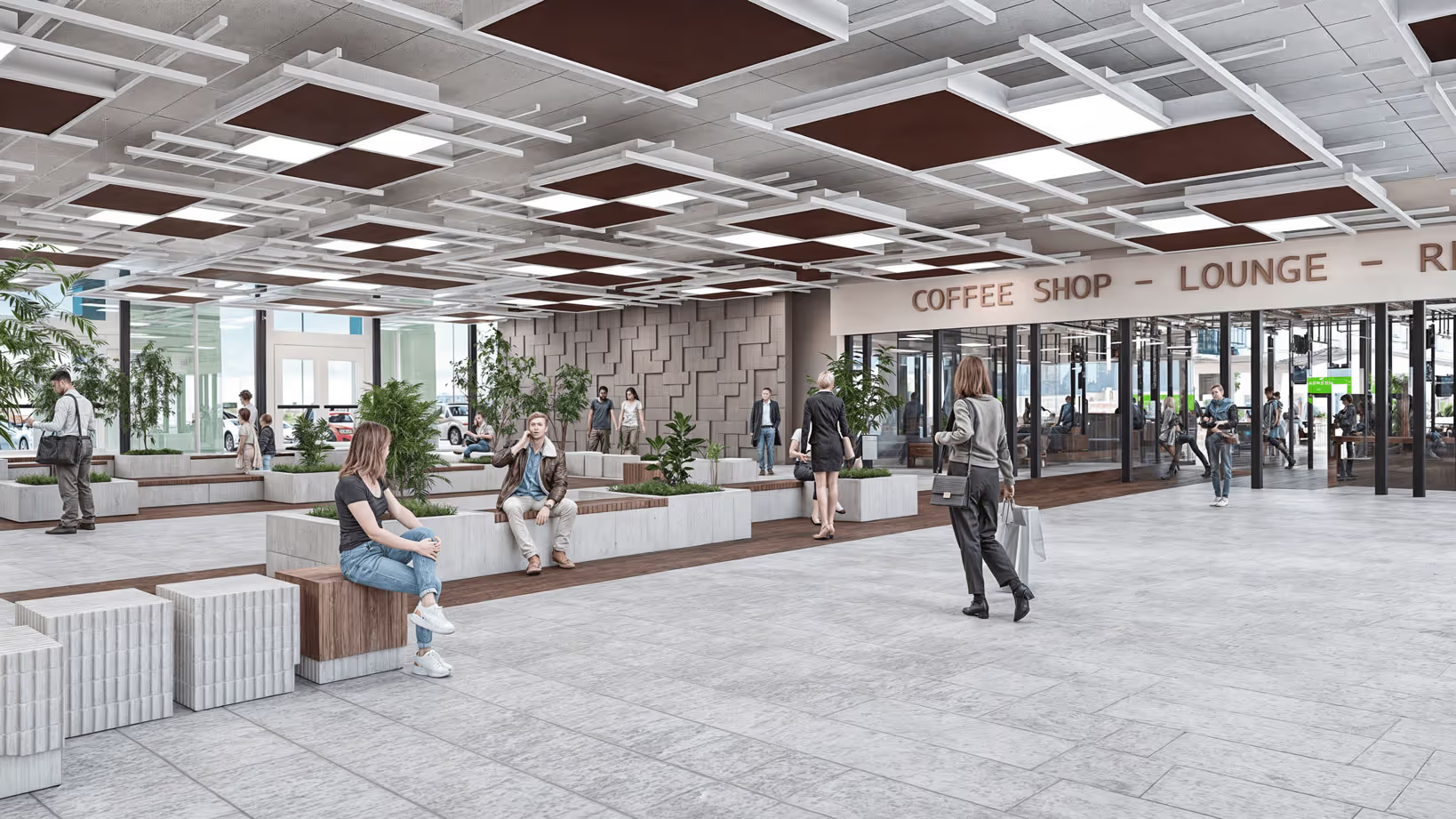
- Driver-focused amenities including a convenience store, coffee, and food options
This integrated design does more than provide fuel—it creates a reliable node on a growing hydrogen and clean-energy corridor across the Southwest.
Onsite Green Hydrogen Production
At the heart of every BGE station is an onsite production system that uses renewable electricity to split water into hydrogen and oxygen. This approach:
- Reduces reliance on long-haul hydrogen delivery
- Improves station uptime and reliability
- Lowers lifecycle emissions by pairing hydrogen with clean power
By keeping production, storage, and dispensing on the same site, Blue Green Energy enhances efficiency and gives fleets confidence that fuel will be available when they need it.
Hydrogen Fueling Designed for Heavy-Duty Trucks
Our stations are configured with heavy-duty trucks in mind. Wide turning radii, extended canopy height, and strategically placed pumps ensure that Class 8 tractors and trailers can enter, fuel, and exit with ease.
A typical fueling experience at a BGE hydrogen pump:
- Truck arrives and positions at the dedicated hydrogen lane
- Driver connects the nozzle to the hydrogen receptacle
- Automated systems manage pressure, temperature, and flow
- Within roughly 10–15 minutes, the truck is fully fueled and ready to return to the road
Hydrogen fueling is designed to feel familiar to diesel—only cleaner, quieter, and zero-emission.
Serving Drivers, Not Just Vehicles
Every Blue Green Energy travel center is built around the people who keep freight moving. Inside the store, drivers will find:
- Fresh food and beverage options
- Quality coffee and grab-and-go meals
- Clean restrooms and a comfortable place to reset
For fleets and operators, these amenities help ensure that drivers can refuel both the truck and themselves in a single stop.
Multi-Energy, Single Destination
The future of transportation won’t be powered by a single technology. That’s why BGE sites are designed to support:
- Hydrogen fuel cell trucks and hydrogen internal combustion engines
- Battery-electric vehicles through DC fast charging
- Future low-carbon technologies as they emerge
This multi-energy approach future-proofs each location and makes each site a strategic asset for fleets transitioning away from diesel over the coming decade.
A Blueprint for the Hydrogen Corridor
Blue Green Energy is rolling out these truck stops along major freight routes throughout the Southwest, forming the backbone of an emerging hydrogen corridor that connects ports, warehouses, and distribution hubs.
As more fleets adopt hydrogen, these stations will become critical infrastructure—places where trucks, technology, and people intersect to keep the zero-emission economy moving.
This is more than a fueling stop. It’s what the future of highway travel looks like when clean energy, smart design, and real-world operations come together.